Public speaking glossary



Short, practical explanations of the words people use about speaking: what each one means, what it sounds like in a real meeting or presentation, and drills you can do aloud today.
Terms from A to Z
Each entry opens with the definition, then moves straight to examples and exercises.
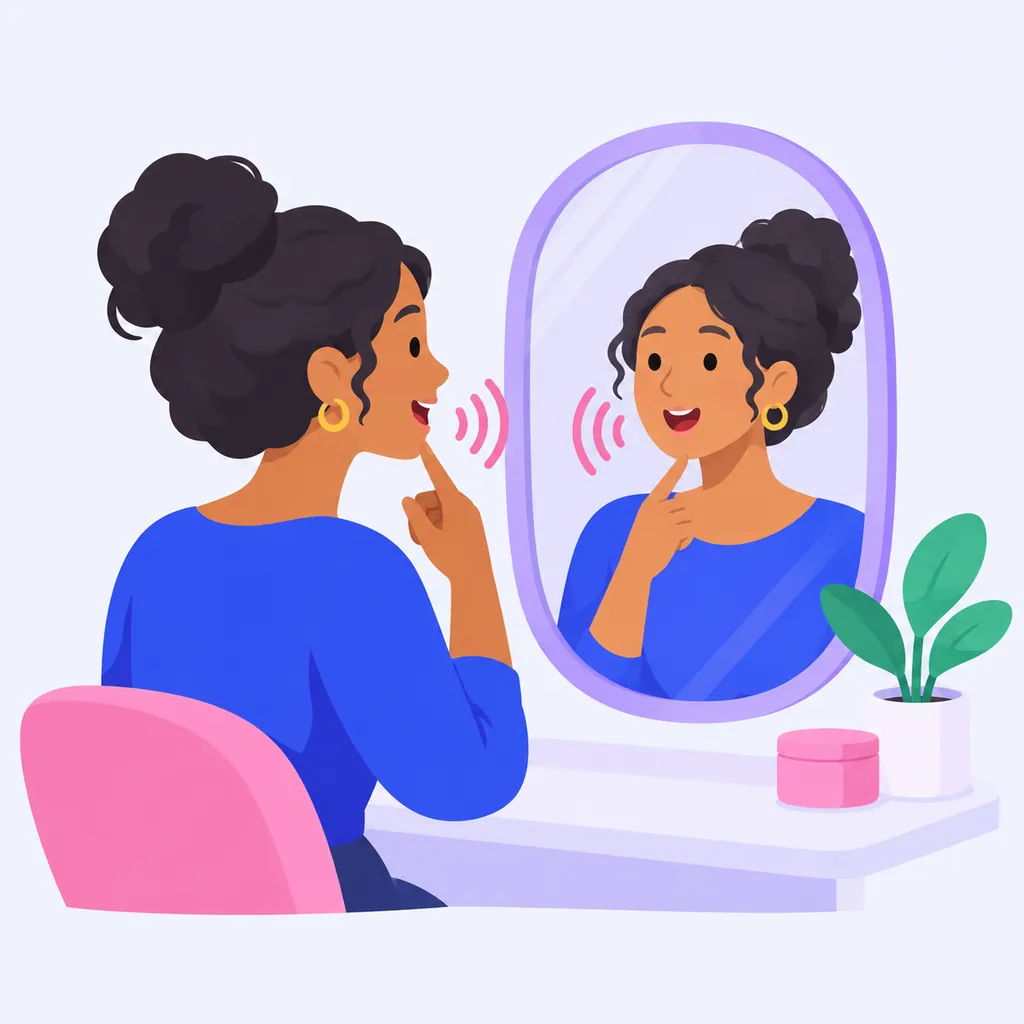
Elocution
The skill of speaking clearly and expressively: how you form sounds, pronounce words and use pitch, pace and pauses.
Read the entry
Executive presence
The impression that you can be trusted with responsibility, formed from how you speak, listen and behave under pressure.
Read the entry

Extemporaneous speaking
Giving a prepared, rehearsed talk from a short outline instead of reading a script or reciting it from memory.
Read the entry
Filler words
Sounds and words such as “um”, “like” and “you know” that fill a gap while you think and add no meaning.
Read the entry

Monotone voice
A way of speaking in which pitch, volume and pace barely change, so every sentence sounds the same.
Read the entry
Stage fright (glossophobia)
The nervousness people feel before or while speaking in front of others; glossophobia is the name for a strong fear of public speaking.
Read the entry
Reading about speaking only gets you so far
Pick a scenario in SayNow AI, say it out loud to an AI conversation partner, and get a score with suggestions on fluency, structure, fit for the situation and whether you reached your goal.
Free to download · iOS and Android